

The Prophet Elisha and the Oil

Originally published on Gimme Some Torah by Rabbi Eli Garfinkel on October 30, 2026.
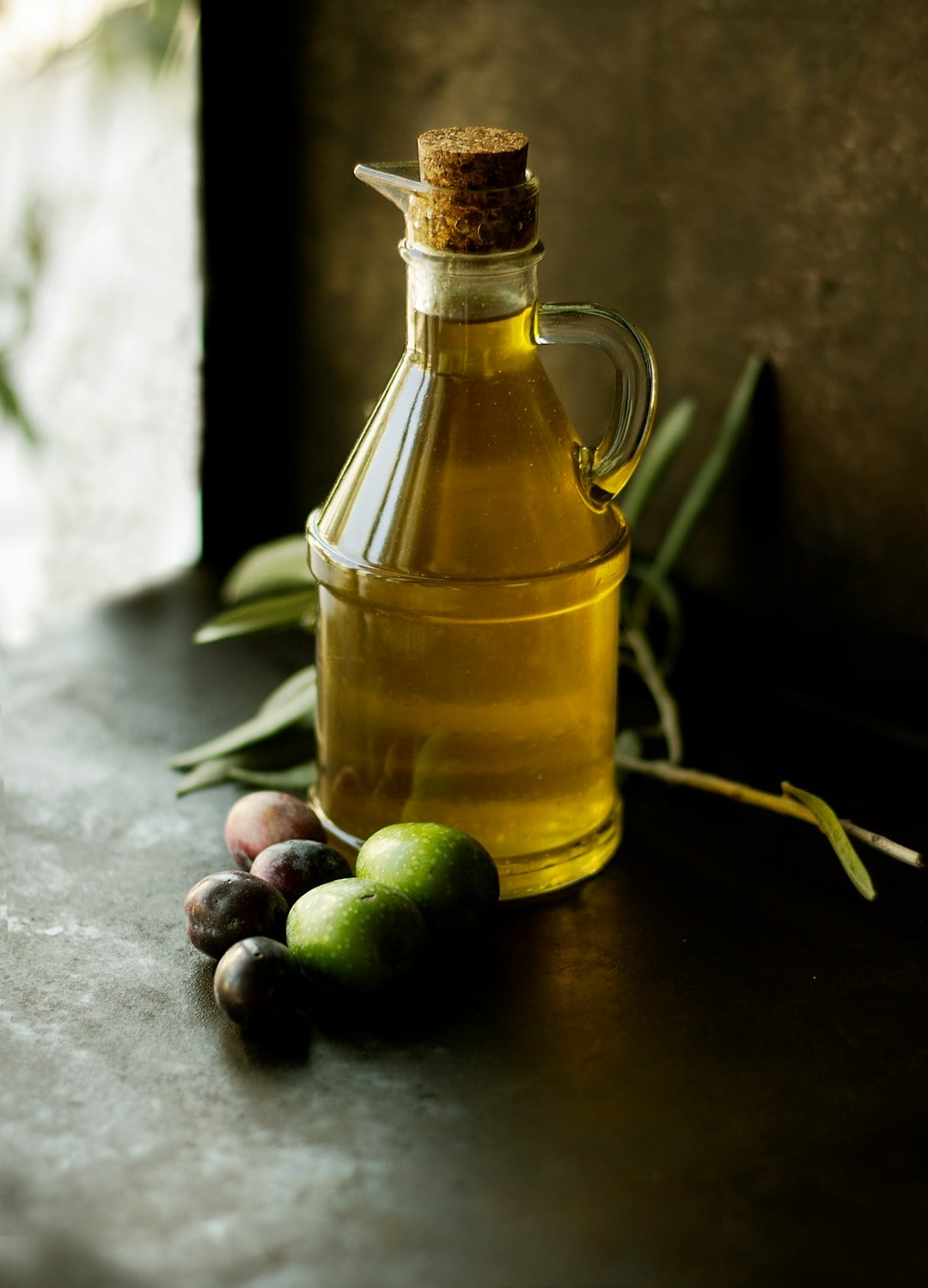
Photo by Roberta Sorge on Unsplash
וַתָּבֹא וַתַּגֵּד לְאִישׁ הָאֱלֹהִים וַיֹּאמֶר לְכִי מִכְרִי אֶת־הַשֶּׁמֶן וְשַׁלְּמִי אֶת־נִשְׁיֵךְ וְאַתְּ וּבָנַיִךְ תִּחְיִי בַּנּוֹתָר:
She came and told the agent of God, and he said, “Go sell the oil and pay your debt, and you and your children can live on the rest.”
Don’t forget to like and subscribe!
If I ask you to name me a story about miraculous oil, I imagine that you would tell me about the miracle associated with Hanukkah, when one small cruse of oil containing only enough fuel for one day lasted for the full eight days needed to rededicate the Temple.
But that story does not appear in anyone’s Bible. Both the Tanakh and the Christian Bible say nothing about miraculous oil of Hanukkah at all. That story appears for the first time in the Talmud (B. Shabbat 21a) and therefore dates to the year 400 or so.
Having said that, the idea of miraculous oil is very ancient and does appear in the Hebrew Bible. We think of olive oil as a culinary ingredient, but in the ancient world, it was considered to be a form of cold hard cash. Like gold itself, olive oil had a concrete value attached to it. There was no need to trust the currency of a local prince or potentate because the entire Mediterranean basin attached great value to olive oil. If you had a lot of oil, you had it made in the shade.
The Haftarah for this week’s Torah portion tells us a story about miraculous oil and its use in financial transactions:
In the fourth chapter of Melakhim Bet, known in English as Second Kings, we read the following about the prophet Elisha, who was a disciple of the more famous prophet Elijah:
A certain woman, the wife of one of the disciples of the prophets, cried out to Elisha: “Your servant my husband is dead, and you know how your servant revered GOD. And now a creditor is coming to seize my two children as slaves.”
Elisha said to her, “What can I do for you? Tell me, what have you in the house?” She replied, “Your maidservant has nothing at all in the house, except a jug of oil.”
“Go,” he said, “and borrow vessels outside, from all your neighbors, empty vessels, as many as you can. Then go in and shut the door behind you and your children, and pour [oil] into all those vessels, removing each one as it is filled.”
She went away and shut the door behind her and her children. They kept bringing [vessels] to her and she kept pouring.
When the vessels were full, she said to her son, “Bring me another vessel.” He answered her, “There are no more vessels”; and the oil stopped.
She came and told the agent of God, and he said, “Go sell the oil and pay your debt, and you and your children can live on the rest.”
The miracle, in case you missed it, is that the oil that was in the woman’s jug became infinite. As long as the woman could provide vessels in which to pour the oil, it kept coming out of the jug.
At the end of the story, the woman does not use the copious amount of oil for salad dressing or sauteeing onions or even to light her lamps. She uses it as we would use a large inheritance. She paid off her debts, rescued her sons from the slave-traders, and then had a nice nest egg for the rest of her life.
What does this story teach us for our lives? I think it teaches us that God’s love is infinite and can be poured forever so long as we have vessels in which to pour it. And what are those vessels? Those vessels are human beings.
I believe that AI, while useful and powerful, will ultimately prove to have less effect on the workforce than some have predicted. The most sophisticated computer is still no vessel for God’s love. In fact, AI often seems to mirror our worst instincts.
Human beings need other human beings. Only we can accept God’s love. The sooner the tech bros realize this, the better.
Shabbat Shalom!
•••
Kosher Duck Revolution is an initiative of AIC. Join AIC. Membership starts at $9 a month.