
Finding the Joy · Parashat Vayechi
And He Lived

And He Lived
The parsha about Jacob’s death is called “And He Lived.”
That is the first thing to notice about Parashat Vayechi. The Torah does not name this portion “And He Died” or “And He Blessed” — all of which happen in the text. It names it for the seventeen years Jacob spent in Egypt with his family around him. The quiet years. The living ones.
וַיְחִ֤י יַעֲקֹב֙ בְּאֶ֣רֶץ מִצְרַ֔יִם שְׁבַ֥ע עֶשְׂרֵ֖ה שָׁנָ֑ה וַיְהִ֤י יְמֵֽי־יַעֲקֹב֙ שְׁנֵ֣י חַיָּ֔יו שֶׁ֣בַע שָׁנִ֔ים וְאַרְבָּעִ֥ים וּמְאַ֖ת שָׁנָֽה׃ Jacob lived seventeen years in the land of Egypt, so that the span of Jacob’s life came to one hundred and forty-seven years.
Rashi asks a famous question about this parsha: why is it “closed”? In a Torah scroll, most portions begin with a visible break. Vayechi has none. He offers two reasons. The first: because when Jacob died, the eyes and hearts of Israel were closed by the coming bondage. The second: Jacob wished to reveal the end of days, but the vision was concealed.
A closed parsha. A hidden future. And still: “And he lived.”
I am writing this from Israel. We have been with the Atlanta Israel Coalition. On New Year’s Eve, we spent hours preparing food with Shlomi’s food truck and then drove along the Gaza border fence, distributing falafel, schnitzel, and shakshuka pita sandwiches to IDF troops.
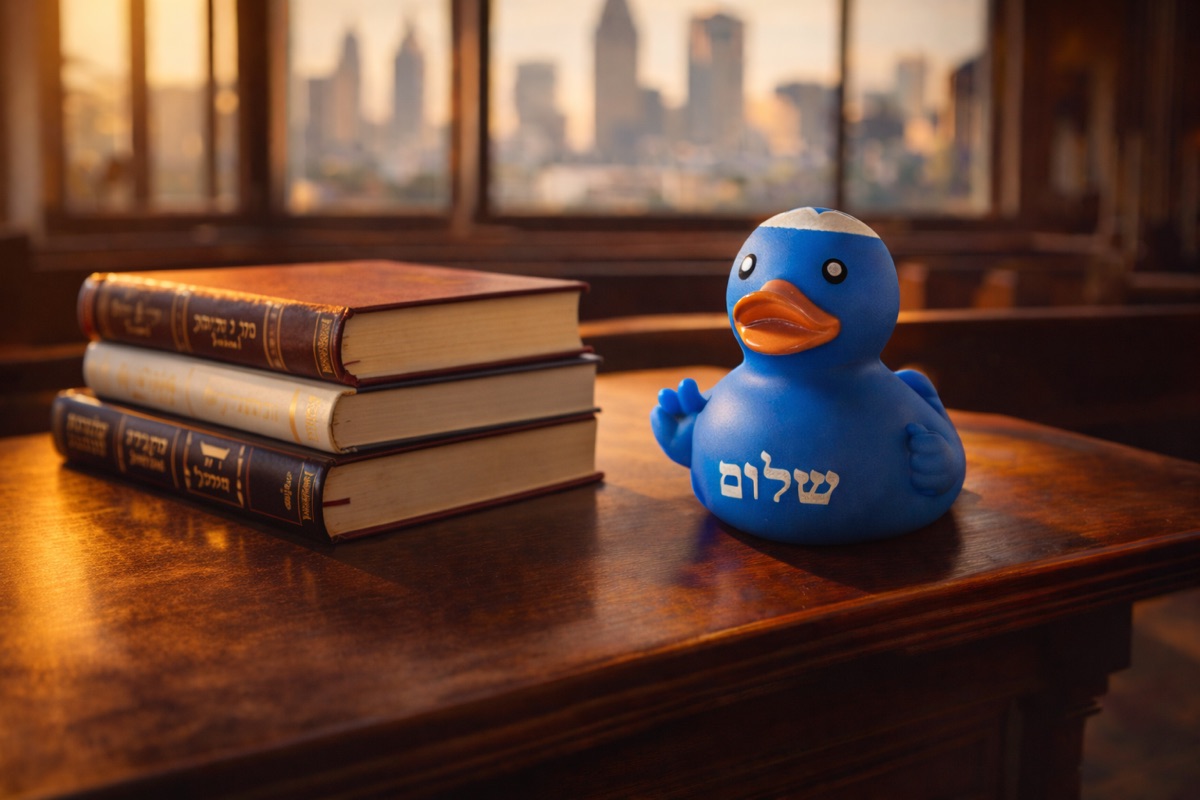
This is still an active war zone. The soldiers told us, more than once, that they feel forgotten. And then we handed them kosher ducks — the little rubber ones with the yarmulkes — and you could hear them squeaking as we drove off. Soldiers laughed. Some of them, we were told, laughed for the first time in days.
I keep thinking about Jacob’s deathbed. The text says he called his sons together and blessed each one — individually, specifically, seeing each for who he was.
כׇּל־אֵ֛לֶּה שִׁבְטֵ֥י יִשְׂרָאֵ֖ל שְׁנֵ֣ים עָשָׂ֑ר וְ֠זֹ֠את אֲשֶׁר־דִּבֶּ֨ר לָהֶ֤ם אֲבִיהֶם֙ וַיְבָ֣רֶךְ אוֹתָ֔ם אִ֛ישׁ אֲשֶׁ֥ר כְּבִרְכָת֖וֹ בֵּרַ֥ךְ אֹתָֽם׃ All these were the tribes of Israel, twelve in number, and this is what their father said to them as he bade them farewell, addressing to each a parting word appropriate to him.
When Jacob blesses Joseph’s two sons, Ephraim and Manasseh, he crosses his hands. Joseph tries to correct him. Jacob refuses. And then he says the words that Jewish parents have repeated every Friday night since:
וַיְבָ֨רְכֵ֜ם בַּיּ֣וֹם הַהוּא֮ לֵאמוֹר֒ בְּךָ֗ יְבָרֵ֤ךְ יִשְׂרָאֵל֙ לֵאמֹ֔ר יְשִֽׂמְךָ֣ אֱלֹהִ֔ים כְּאֶפְרַ֖יִם וְכִמְנַשֶּׁ֑ה So he blessed them that day, saying, “By you shall Israel invoke blessings, saying: God make you like Ephraim and Manasseh.”
The commentators ask: why these two? One answer that has stayed with me: Ephraim and Manasseh were the first generation raised entirely in exile — born in Egypt, surrounded by Egyptian culture — and they remained who they were. The blessing is not for greatness. It is for continuity.
There is a moment, near the very end, after Jacob has died and the brothers are terrified that Joseph will finally take his revenge:
וְאַתֶּ֕ם חֲשַׁבְתֶּ֥ם עָלַ֖י רָעָ֑ה אֱלֹהִים֙ חֲשָׁבָ֣הּ לְטֹבָ֔ה לְמַ֗עַן עֲשֹׂ֛ה כַּיּ֥וֹם הַזֶּ֖ה לְהַחֲיֹ֥ת עַם־רָֽב׃ Besides, although you intended me harm, God intended it for good, so as to bring about the present result—the survival of many people.
L’hachayot am rav. To keep alive a great people. That is what Joseph sees when he looks back at his own suffering: not vindication, but preservation. Life sustained.
Jacob’s life was not easy. When Pharaoh asked him his age, Jacob answered: “Few and hard have been the years of my life.” And yet the Torah names his final chapter “Vayechi.” And he lived.
The parsha is closed. The future is hidden. And the name on the parchment, with no gap and no break, still reads: And he lived.
Shabbat shalom.
— Uriel ben Avraham